
Highlights from the First Day of TCT | RONGSU Unveils Its New VEAM Ultra-Coaxial Laser Wire-Feed Technology for the First Time
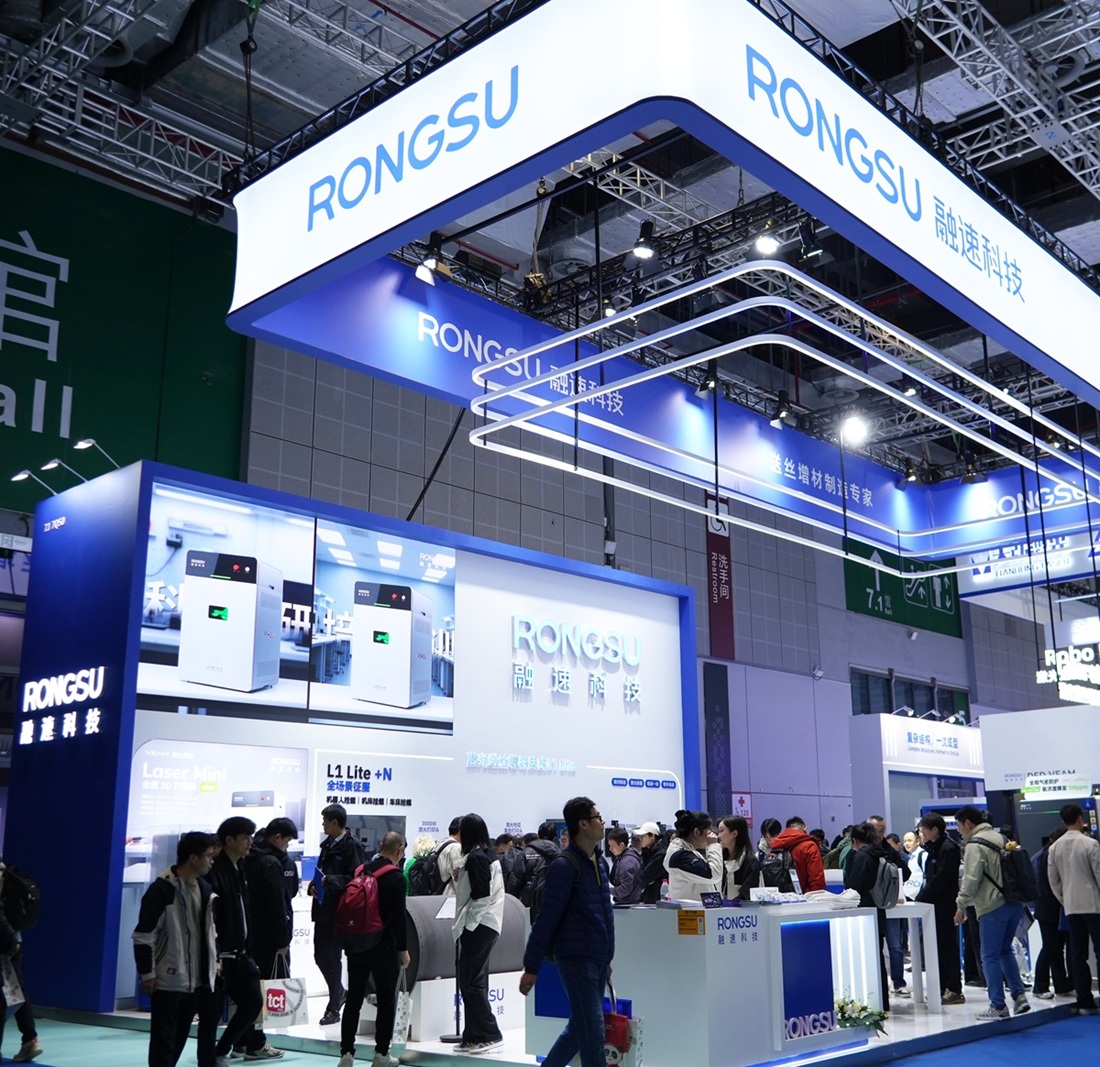
The TCT Asia held its grand opening ceremony. RONGSU showcased its full range of new products and core technologies, presenting comprehensive solutions across multiple fields including industrial additive manufacturing, scientific research and education, and laser cladding. By leveraging technological innovation to drive manufacturing upgrades, the company has emerged as one of the highlights of the exhibition.
A New Technological Approach, Reshaping the Paradigm of Industrial Additive Manufacturing
Ultra-Coaxial Laser Wire-Feeding Technology: New Possibilities for Printing Highly Reflective Metals
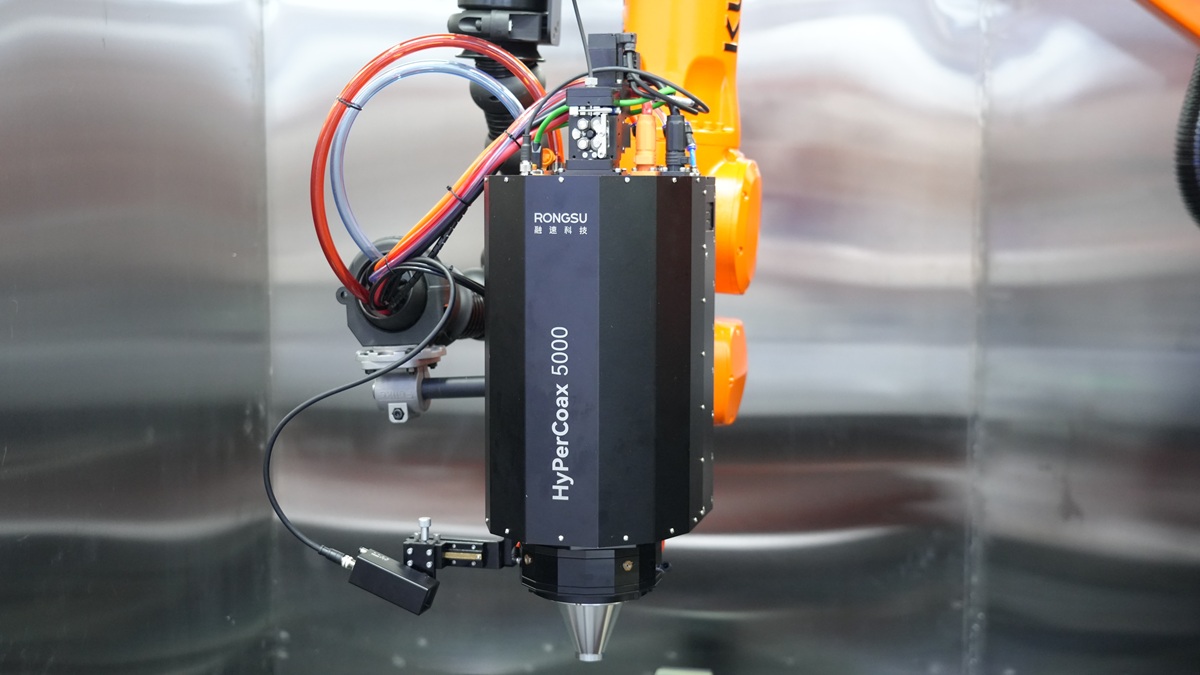
The innovative achievement showcased at this exhibition—the 5000W super-coaxial laser deposition head—employs VEAM’s self-developed laser wire-feed technology and a specialized optical design. By eliminating the need for fiber connections, it prevents damage to the fiber caused by laser reflection and reduces harm to other internal laser components. This significantly enhances additive manufacturing efficiency while enabling stable printing of highly reflective metals such as aluminum alloys and copper.
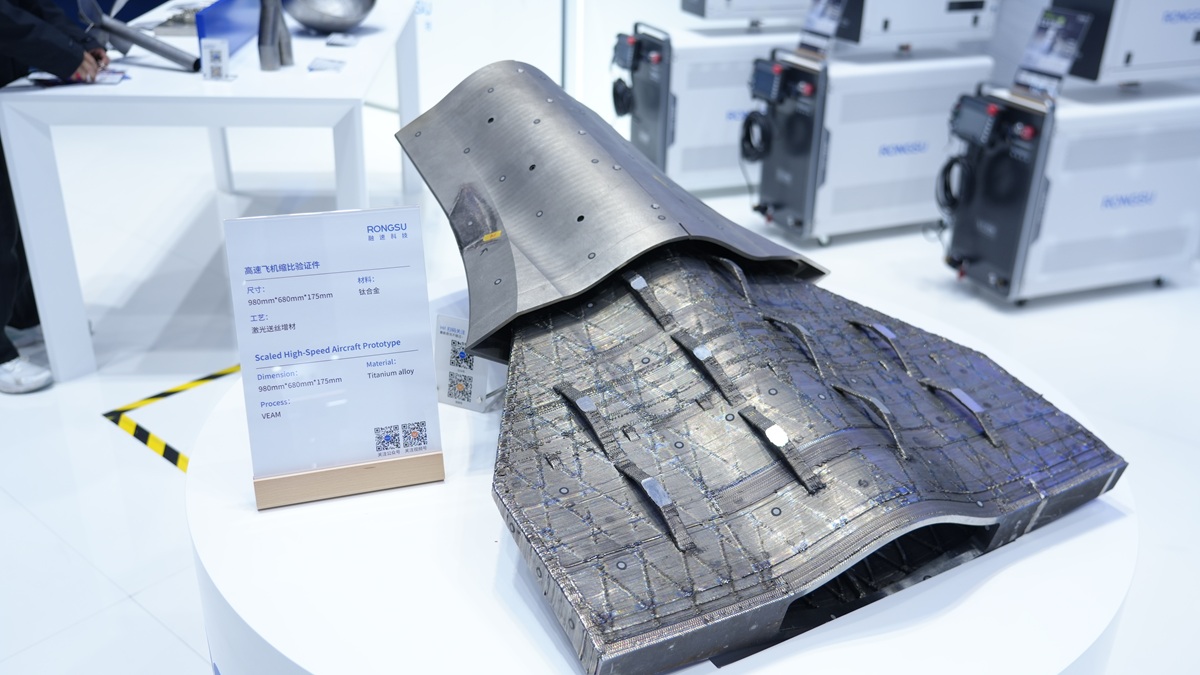
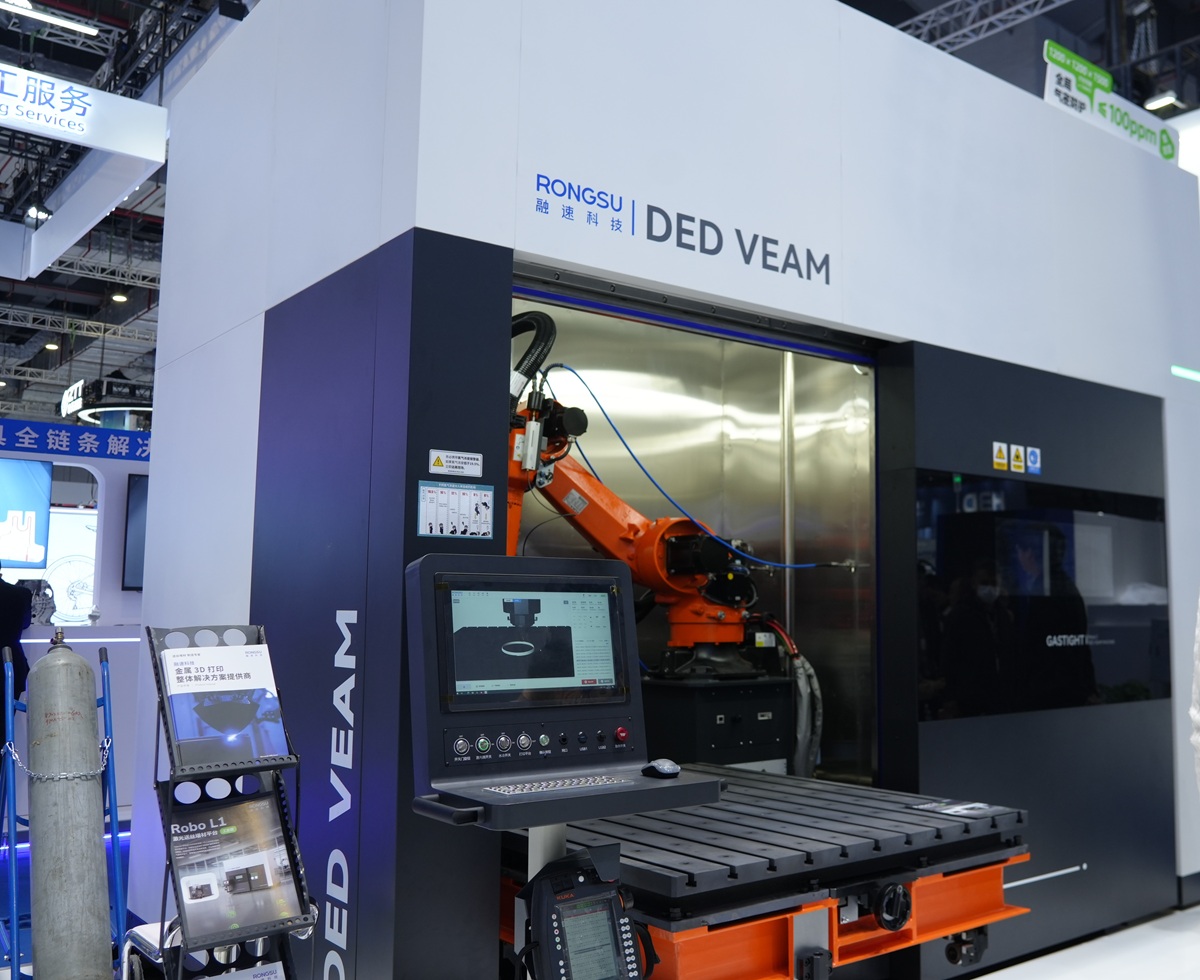
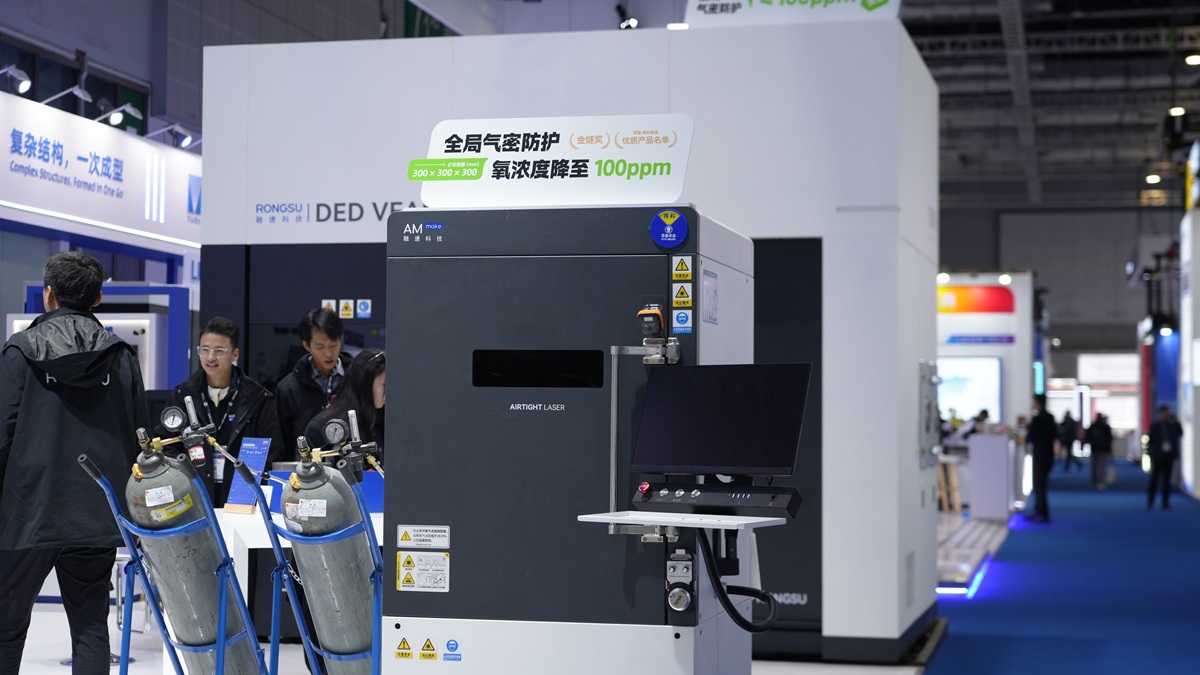
The new industrial-grade laser wire-feed additive manufacturing platform, the Robo L1, equipped with this deposition head, offers the height of up to 1.5 meters and is specifically designed to meet the efficient printing needs of medium-to-large metal components. With its fully enclosed gas-tight enclosure, oxygen levels can be reduced to 100 ppm, enabling efficient printing of easily oxidizable metals such as titanium alloys. The innovative external sliding rail-style build plate provides greater flexibility and convenience for handling large workpieces.
L1 Lite Laser Wire-Feed Additive System: Low-Cost Entry into Metal 3D Printing
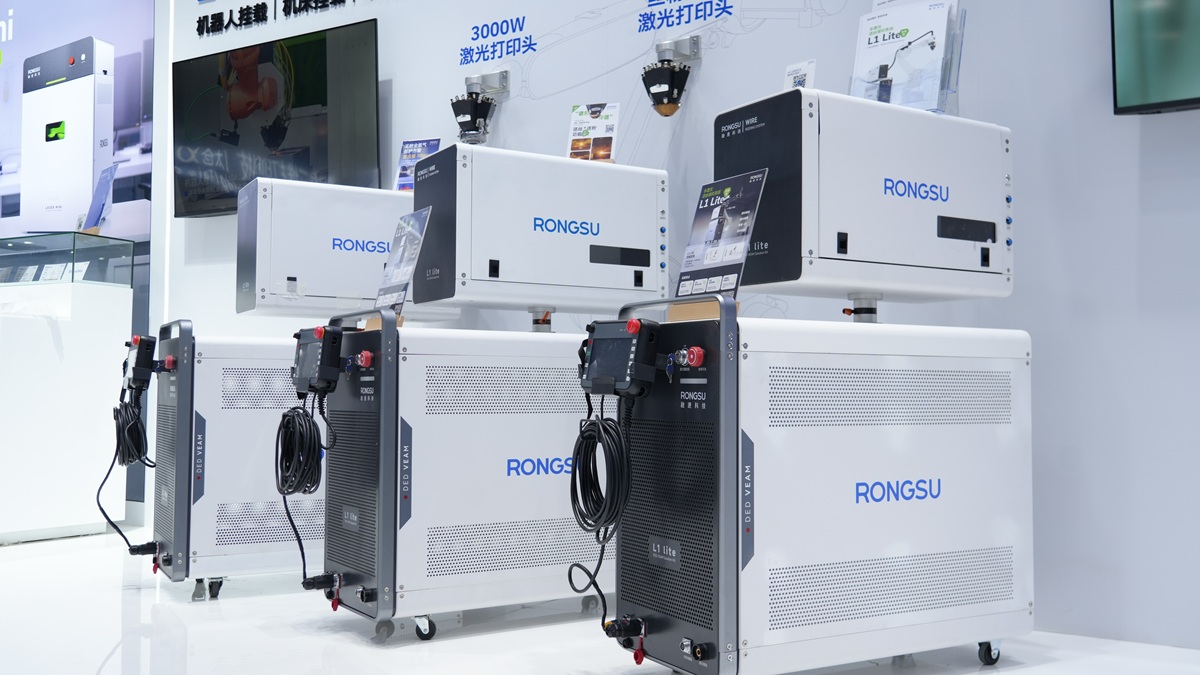
The new L1 Lite measures just 380 x 870 x 1233 mm, significantly reducing its footprint. Equipped with a 3000W laser print head and supporting multiple industrial protocols, users do not need to purchase a complete metal 3D printing system. Instead, they can quickly integrate it with their existing industrial equipment—such as robots, machine tools, and lathes—to begin metal 3D printing, meeting the needs of various applications including additive manufacturing, laser cladding, part repair, and additive-subtractive hybrid processes.
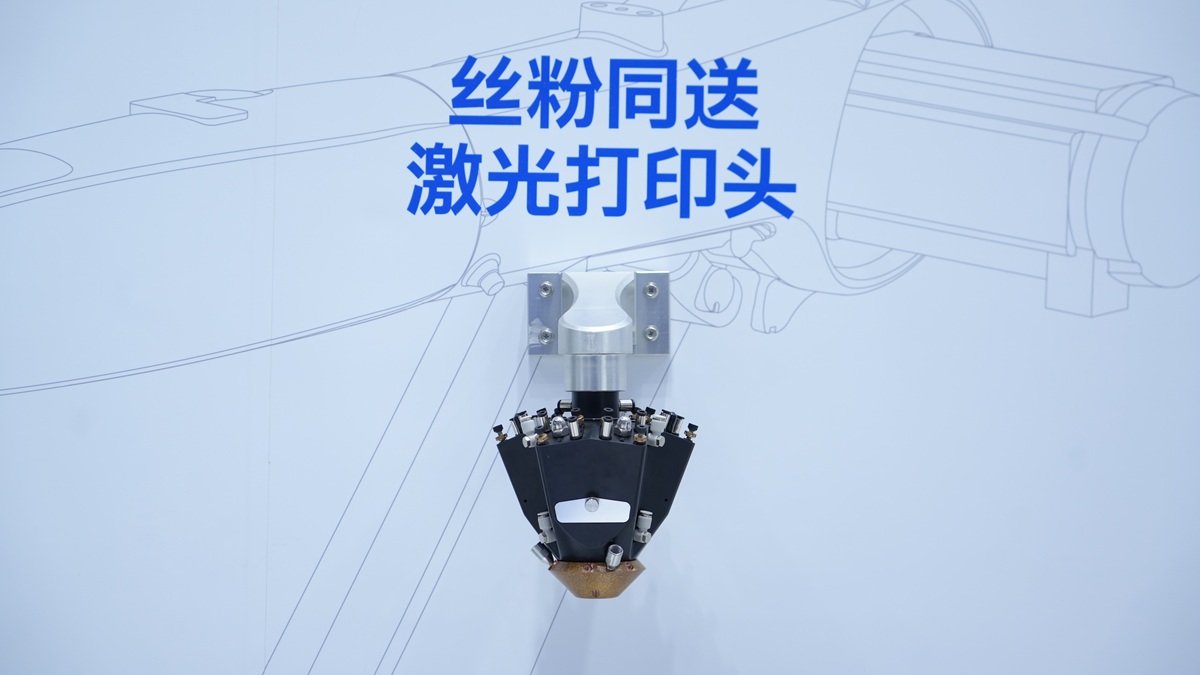
"Powder Companion" Gas-Shielded Powder Feeding Nozzle mounted on the print head also piqued the audience's curiosity. By replacing the existing wire-feeding print head, users can switch between three modes—powder feeding, wire feeding, and simultaneous wire-powder feeding—thereby expanding process flexibility.
A New Tool for Research and Education Makes Its Debut, Combining Compact Size with High Precision
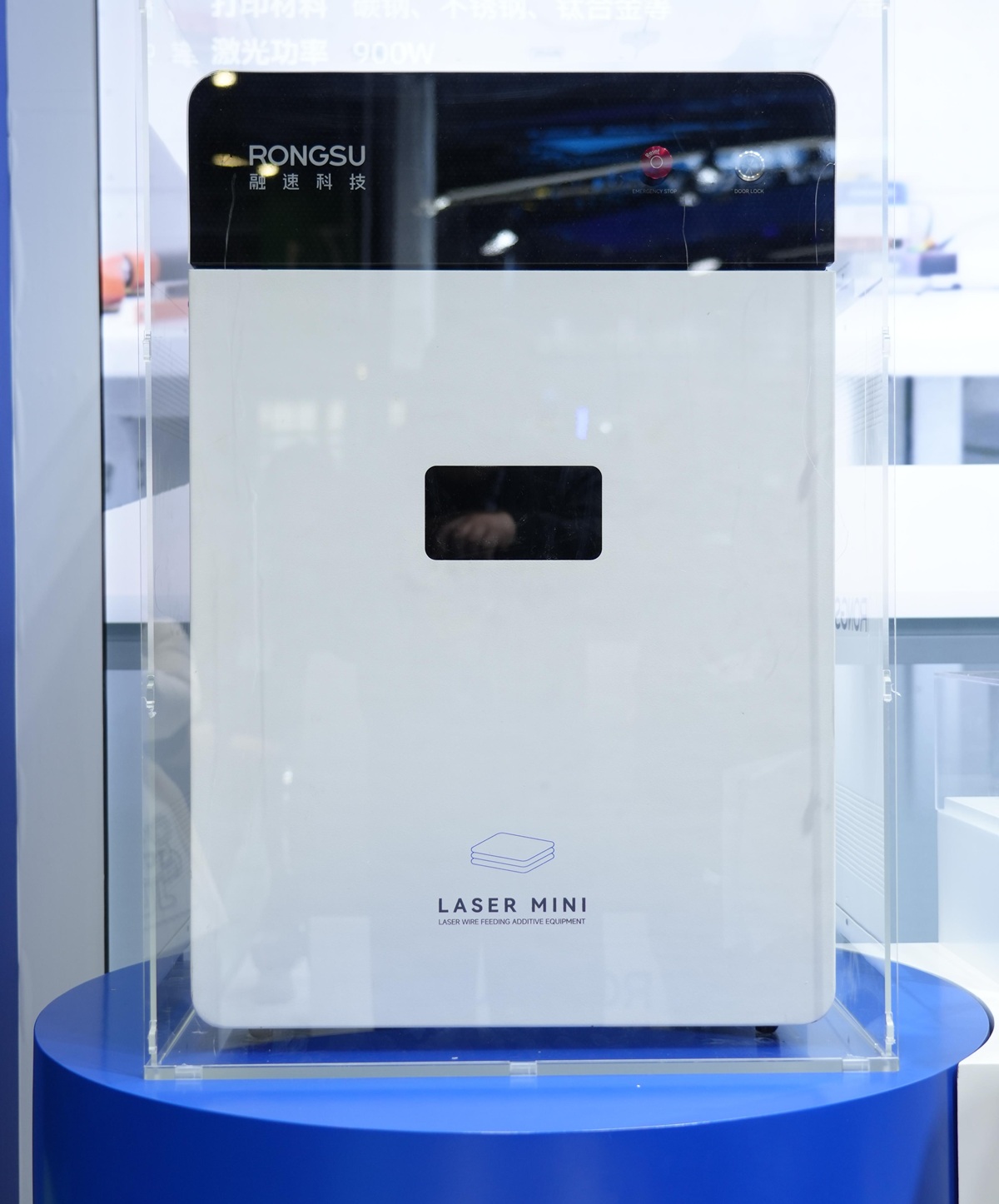
Laser Mini: The Industry's First Desktop-grade Metal 3D Printer
The Laser Mini, the industry's first desktop laser wire-feed metal 3D printer, attracted significant attention and discussion from visitors as soon as it was unveiled. With a footprint of less than 0.3 square meters, it can be flexibly deployed in small spaces such as office desks, laboratory workbenches, and teaching and research classrooms. Equipped with a 900W laser print head and VEAM's multi-laser coaxial wire-feed technology, it delivers industrial-grade printing precision and performance. With a build volume of 150 x 150 x 170 mm and a surface roughness as low as 5 μm, it effectively meets the printing needs of science and education.
Laser One: The Next-Generation Laser Wire-Feed Additive Manufacturing Platform
Our flagship product, Laser One, remains in high demand. Equipped with our self-developed VEAM six-laser coaxial wire-feeding printing system, combined with a energy distribution control and energy position-sync control, it enhances deposition efficiency while reducing thermal input by over 40%, thereby improving the quality of printed parts. The L1 supports global gas-shielding protection, meeting the high-quality printing requirements for easily oxidizable metals such as titanium alloys. Notably, during on-site printing, the L1 print head is also fitted with a local gas-shielding protection, which can reduce local oxygen content to as low as 50 ppm.
10,000-Watt Coaxial Wire-Feed Laser Cladding, Component Repair and Reinforcement
In addition to showcasing our extensive achievements in additive manufacturing, we are introducing a groundbreaking innovation in the field of laser cladding: the 10,000-watt laser cladding head. It delivers a single-layer cladding thickness of 0.6–2 mm and supports cladding of materials such as stainless steel, carbon steel, copper alloys, and nickel-based alloys.
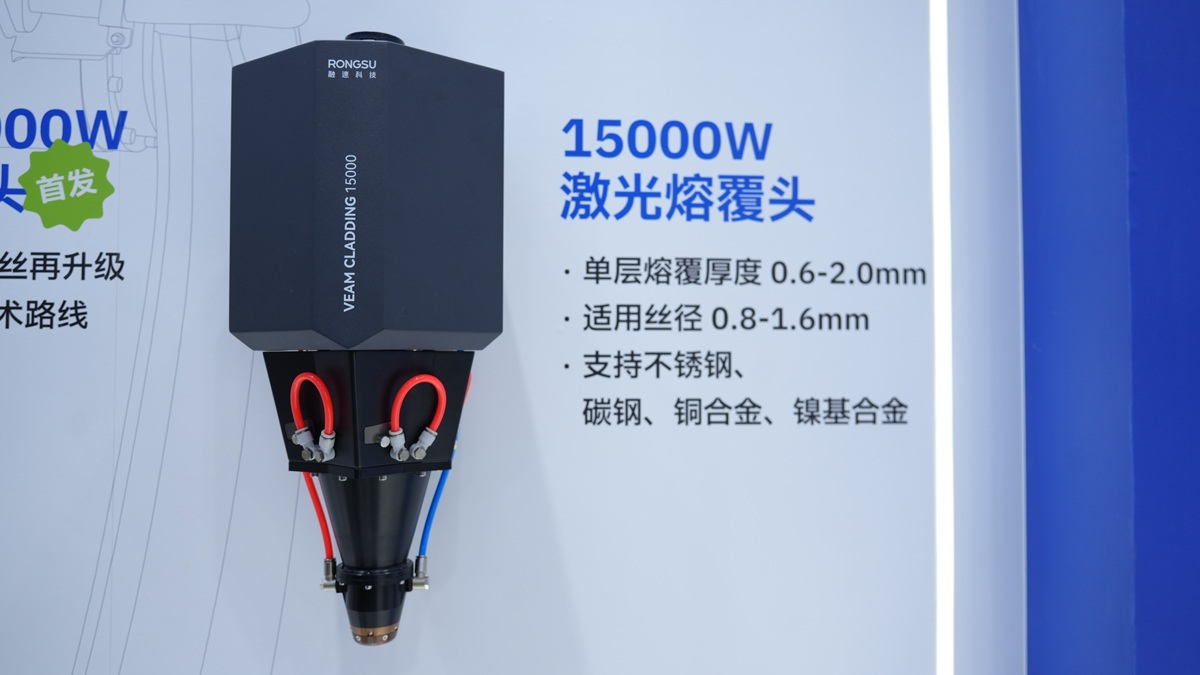
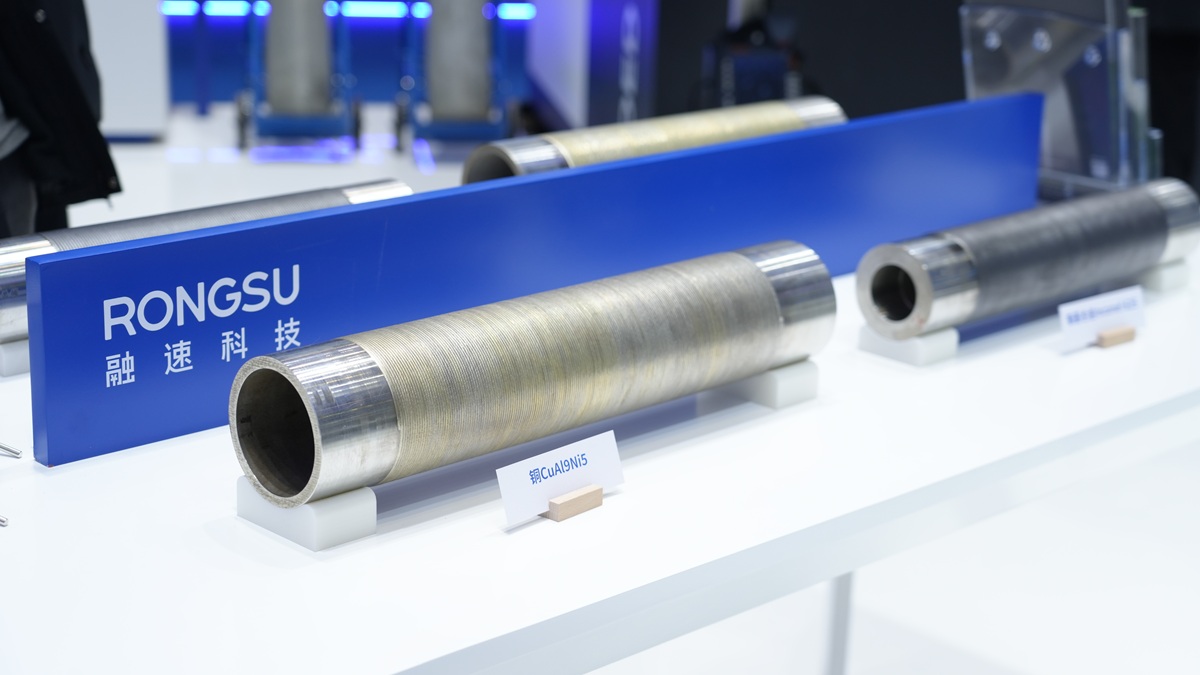
The workpieces on display featured uniform cladding layers of consistent thickness, meeting the requirements for surface performance enhancement and repair of metal components while extending their service life. This also demonstrated the versatility of VEAM's coaxial laser wire feeding technology across multiple applications.
The first day of TCT Asia has come to a successful close. The excitement continues over the next two days—we look forward to seeing you at Booth 7.1H7Q50.